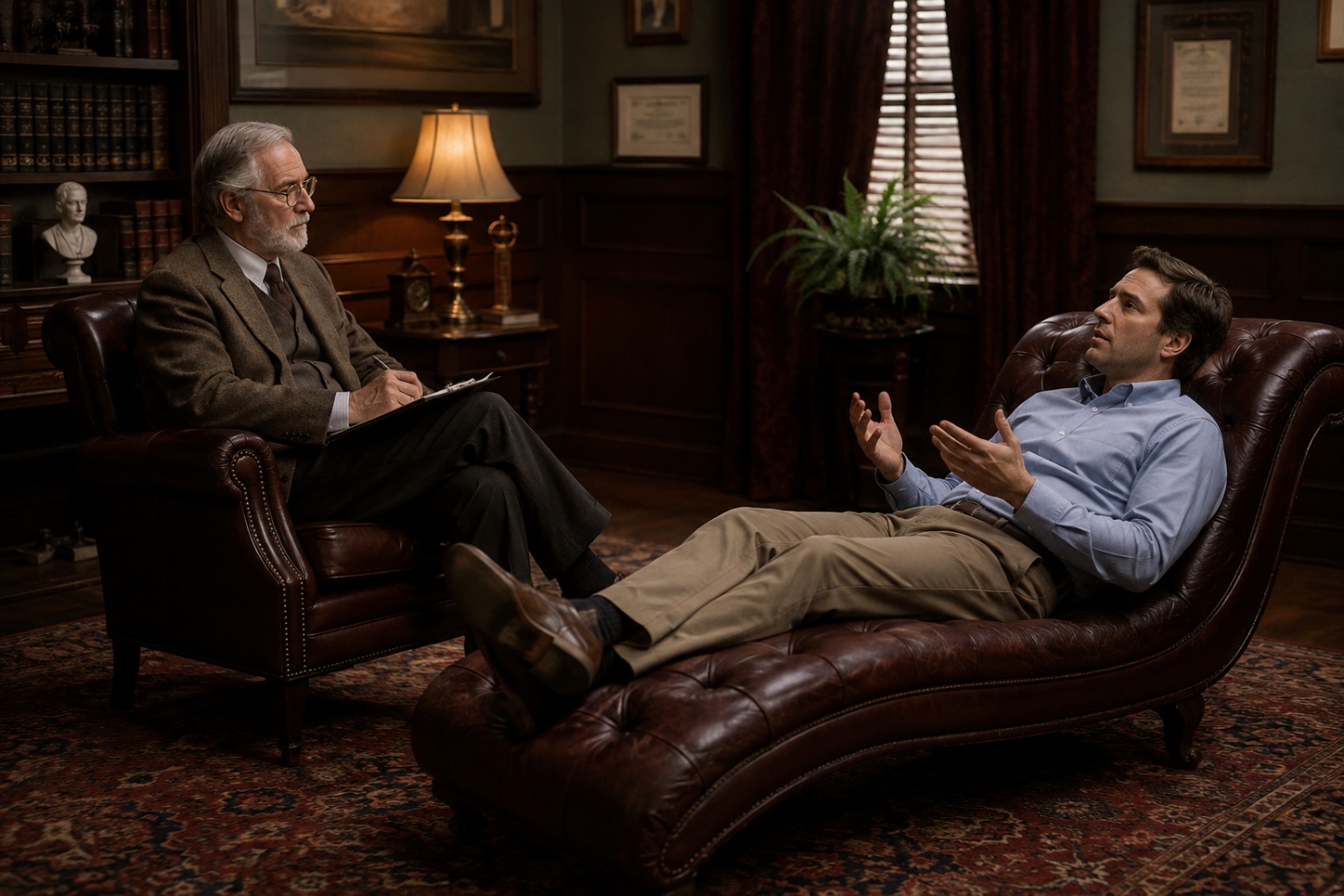
The problem with your sales forecast may have less to do with the software—and more to do with the relationship between the people using it.
Open the CRM.
The pipeline looks healthy. Opportunities are moving. Notes have been entered. A few deals are sitting comfortably in “proposal sent,” and the forecast gives everyone something concrete to discuss at the next sales meeting.
But there’s a more important question:
Do you actually believe what you’re looking at?
Because a CRM can contain plenty of data and still tell you very little about what’s really happening inside your sales pipeline.
For Joe Muskus of Rising Tide Sales Consulting LLC / Sales Xceleration, that disconnect often shows up through two very different conversations.
One happens with the business owner.
The other happens with the sales rep.
And somewhere between them may be the reason the CRM isn’t working the way either side wants it to.
The Owner Wants Visibility
From the owner’s perspective, the request seems completely reasonable:
I just need to know what my team is actually doing.
You want to understand which deals are moving, what’s stalled, what’s likely to close, and whether the pipeline can support the forecast you’re using to make business decisions.
That’s not micromanagement. That’s running a business.
The problem begins when visibility quietly turns into surveillance. Every CRM field becomes another way to check whether someone did what they were supposed to do. A missing note becomes evidence that a rep isn’t working. An overdue update becomes something to explain.
And gradually, the CRM stops feeling like a tool the sales team uses and starts feeling like a tool being used on them.
That’s when the quality of the information can begin to change.
As Joe puts it, when a CRM starts feeling like this, people may stop entering the information that best reflects reality and start entering the information that creates the fewest uncomfortable questions.
“Like a leash instead of a compass.”
The dashboard is full.
But is the information trustworthy?
Meanwhile, the Sales Rep Is Thinking Something Else
Now move to the other side of the screen. For the salesperson, CRM updates can easily feel like administrative work taking time away from actual selling.
Update the stage.
Log the call.
Add the notes.
Change the close date.
Enter the next step.
And if the rep doesn’t understand how that information helps them move the deal forward, a reasonable question starts forming:
What’s all of this actually for?
If the answer feels like so management can watch me, it’s not difficult to imagine what happens next.
Notes become vague. Stages don’t get updated when they should. A deal can remain in “proposal sent” far longer than reality justifies because moving it backward—or admitting that it may be lost—creates a conversation the rep would rather avoid.
Nothing is technically missing.
But the pipeline starts telling the story people want to hear instead of the one the business needs to know.
Maybe We’ve Been Asking the CRM to Do the Wrong Job
This is where Joe’s argument gets interesting.
A CRM shouldn’t be a babysitting tool. But it shouldn’t be meaningless administrative overhead either. Its real value sits somewhere between those two extremes.
A useful CRM becomes a shared source of truth—not simply a place where sales activity gets logged, but a place where deals can actually be tracked.
And there is a difference.
Logging tells you that something happened.
Tracking tells you where the deal actually stands.
Is there a real next step? Does the opportunity meet the criteria for its current stage? Is the close date realistic? What happened in the last conversation? What’s getting in the way? Does the rep need help?
Those answers are far more valuable than a dashboard filled with activity.
But they require something software can’t create on its own: honesty.
The CRM Counseling Session
That’s why Joe calls the solution less of a CRM training session and more of a CRM counseling session.
Both sides have something to reconsider.
Business owners need visibility. But visibility created through fear can produce exactly the opposite of what they want: unreliable information. And unreliable information eventually becomes an unreliable forecast—or, in Joe’s words:
“A guess with a spreadsheet attached to it.”
Salespeople have a responsibility too. Accurate information isn’t simply something management wants from them. A well-documented opportunity gives the rest of the organization enough context to help.
Maybe a deal needs executive involvement. Maybe pricing is becoming an obstacle.
Maybe the prospect has gone quiet. Maybe another resource could help move the conversation forward.
If the CRM reflects what’s actually happening, those problems can surface while there’s still time to do something about them. If the deal is being inflated, sandbagged, or simply neglected in the system, the problem may not become obvious until it’s too late.
That’s where the CRM stops being about reporting what the salesperson did and starts becoming about helping the salesperson figure out what should happen next.
What Changes When Both Sides Trust the System?
Something interesting happens when the owner stops treating the CRM primarily as a monitoring device and the rep stops treating it primarily as an obligation.
The reason to keep the information accurate changes.
It’s no longer:
I need to update this because someone is going to check.
It becomes:
We need this to be accurate because we’re making decisions with it.
Which opportunities deserve attention?
Where should leadership step in?
Which deals are genuinely moving?
Where is the pipeline weak?
What does next month’s revenue realistically look like?
Those questions become much easier to answer when everyone trusts the information they’re working from. And today’s technology can make capturing that information easier than it once was. Voice recording, automated note-taking, and appropriately implemented AI can reduce some of the manual burden and help businesses make more use of the information already being captured.
But technology still can’t solve the fundamental problem.
AI can work with the information you give it. It can’t create honesty between the people providing it.
Before You Blame the CRM, Look at the Relationship Around It
It’s easy to blame the software. Maybe the team needs another training session. Maybe the fields need to change. Maybe there’s a better CRM out there. Maybe automation will finally solve the problem. Sometimes those things may help.
But if your sales team doesn’t trust why the information is being collected—or leadership doesn’t trust the information the team is entering—the problem may exist long before anyone opens the software.
A forecast is only as useful as the reality behind it.
And that may be Joe’s most important point:
Solid inputs aren’t really a CRM feature. They’re a trust outcome.
Before asking whether your team is updating the CRM correctly, perhaps there is a better question to ask:
Have you built a sales environment where telling the truth about a deal is more valuable than making the pipeline look good?
Because once the answer to that question is yes, the CRM can finally start doing the job it was meant to do.